



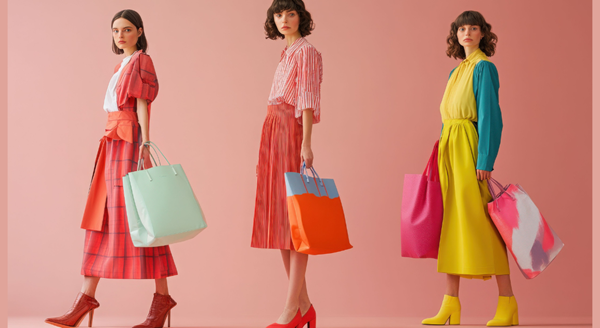
sustainable fashion trends

Sustainable Fashion Trends: The Future of Style with Purpose

Discover sustainable fashion trends shaping the future of style while protecting the planet. Stay chic and eco-friendly with smarter choices.

Why Sustainable Fashion Trends Matter

Fashion is one of the most exciting industries in the world, but it’s also one of the most polluting.

From fast fashion waste to harmful production methods, the environmental cost of our clothes is staggering. That’s why sustainable fashion trends are more than just buzzwords, they’re a movement toward a cleaner, smarter, and more ethical way of dressing.

When you follow these trends, you’re not only staying stylish, but you’re also making choices that protect the environment and support fair labor. It’s fashion with a conscience, and it’s here to stay.

What Is Sustainable Fashion?

Before diving into the trends, let’s break it down.

Sustainable fashion is about designing, producing, and consuming clothes in a way that:

  • Minimizes harm to the environment
  • Promotes fair labor practices
  • Encourages longevity instead of waste
  • Focuses on recycling and reusing

It’s not about giving up style, it’s about redefining it with responsibility.

Top Sustainable Fashion Trends Today

1. Secondhand and Vintage Shopping

One of the easiest ways to join the movement is by buying pre-loved clothes. Thrift stores, vintage shops, and resale apps are booming.

They give clothes a second life while saving you money and reducing waste.

2. Eco-Friendly Fabrics

Brands are shifting toward fabrics like organic cotton, hemp, bamboo, and recycled polyester.

These materials use less water, fewer chemicals, and are biodegradable or recyclable.

3. Capsule Wardrobes

Minimalism meets style.

A capsule wardrobe focuses on owning fewer pieces but making sure each one is versatile, timeless, and high-quality. It reduces clutter and encourages intentional shopping.

4. Slow Fashion Brands

More designers are rejecting fast fashion in favor of “slow fashion.” These brands focus on quality over quantity, ethical labor, and eco-conscious production.

5. Clothing Rentals and Swaps

Why buy something you’ll only wear once? Rental platforms and clothing swaps allow you to enjoy new looks without the long-term waste.

Perfect for weddings, parties, or special events.

6. Recycling and Upcycling

Turning old clothes into something new is one of the most creative sustainable fashion trends.

From DIY projects at home to professional upcycling brands, this trend keeps waste out of landfills.

sustainable fashion trends

Benefits of Following Sustainable Fashion Trends

  • Environmental Impact – Fewer clothes end up in landfills, and harmful chemicals are reduced.
  • Better Quality – Sustainable brands often create pieces that last longer.
  • Ethical Labor – You’re supporting workers who are treated fairly.
  • Unique Style – Vintage and upcycled pieces give you a one-of-a-kind wardrobe.
  • Cost Savings – Shopping secondhand or maintaining a capsule wardrobe saves money over time.

How to Incorporate Sustainable Fashion into Your Life

Shop Mindfully: Ask yourself if you really need an item before buying.

Check Labels: Look for fabrics like organic cotton, Tencel, or hemp.

Support Eco-Friendly Brands: Do some research before shopping.

Care for Clothes Properly: Wash less, air-dry, and repair instead of tossing.

Resell or Donate: Keep clothes in circulation rather than throwing them out.

Sustainable Fashion Trends in Action

Instead of buying a fast-fashion dress for a party, you rent a stunning designer gown at a fraction of the price.

Instead of tossing your old jeans, you patch them with colorful fabric and turn them into a trendy statement piece.

Instead of having a closet full of clothes you never wear, you curate a capsule wardrobe filled with timeless staples.

This is what living with sustainable fashion trends looks like, stylish, smart, and conscious.

The Future of Sustainable Fashion

The fashion industry is shifting, and it’s being driven by consumers.

Younger generations, especially Gen Z and Millennials, are demanding transparency and responsibility from brands.

As a result, more companies are investing in eco-friendly innovations, such as biodegradable fabrics, waterless dyeing techniques, and AI-driven supply chains, to reduce waste.

The future is clear: sustainable fashion isn’t a passing fad. It’s the future of style.

sustainable fashion trends

Final Thoughts

The rise of sustainable fashion trends shows that you don’t have to choose between looking good and doing good.

From secondhand shopping to eco-friendly fabrics, the choices we make as consumers can transform the fashion industry into one that values both creativity and responsibility.

By embracing these trends, you’re not just following fashion, you’re shaping it. Every eco-friendly purchase, every upcycled piece, and every capsule wardrobe decision adds up to a movement that protects our planet and redefines what it means to be stylish.

So the next time you open your closet, ask yourself: Am I dressing for the moment, or am I dressing for the future?

Because with sustainable fashion, you can do both.

existentialism in philosophy

Existentialism in Philosophy: Finding Meaning in a Chaotic World

Explore existentialism in philosophy and how it shapes our understanding of freedom, choice, and the search for meaning in life.

What Is Existentialism in Philosophy?

When you hear the word “existentialism,” it might sound like something heavy, almost intimidating.

But at its core, existentialism in philosophy is about the most basic human question: What does it mean to exist?

This branch of philosophy focuses on individual freedom, personal responsibility, and the search for meaning in a world that doesn’t always provide clear answers.

Rather than relying solely on religion, tradition, or external systems, existentialism asks each of us to face life directly and define meaning for ourselves.

The Roots of Existentialism

Existentialist thought didn’t appear out of thin air. Its roots can be traced back to thinkers like:

Søren Kierkegaard (often called the father of existentialism), who emphasized faith and personal choice.

Friedrich Nietzsche, who declared “God is dead” and challenged people to create their own values.

Later philosophers like Jean-Paul Sartre, Albert Camus, and Simone de Beauvoir carried these ideas into the 20th century, shaping modern existentialism in philosophy.

While each thinker had a unique approach, they all circled around one central idea: life doesn’t come with a ready-made purpose, you create it through your choices.

Core Themes of Existentialism in Philosophy

To better understand existentialism, let’s break down its main ideas.

1. Freedom and Responsibility

Existentialists believe we are free to make choices, but with that freedom comes responsibility.

Sartre famously said, “We are condemned to be free.”

It sounds harsh, but he meant that even when we don’t choose, that’s still a choice, and we’re accountable for the outcomes.

2. Absurdity of Life

Albert Camus introduced the idea of the “absurd,” which is the conflict between our desire for meaning and the universe’s silence.

Life doesn’t hand us answers, and sometimes it feels absurd. The challenge is to keep living fully anyway.

3. Authenticity

Living authentically means being true to yourself rather than blindly following social expectations.

Existentialism in philosophy encourages people to take ownership of their lives, instead of living as if on autopilot.

4. Anxiety and Despair

With freedom and uncertainty comes anxiety. Kierkegaard called this “the dizziness of freedom.”

Existentialists don’t see anxiety as purely negative, it’s a sign that you’re confronting life’s deeper questions.

5. Meaning-Making

Instead of waiting for purpose to fall into your lap, existentialism pushes you to build meaning through relationships, passions, work, and choices that reflect your true self.

existentialism in philosophy

Existentialism in Everyday Life

It’s easy to think existentialism belongs only in old philosophy books, but it shows up in everyday life.

When you question your career path and wonder, “Am I doing this because I want to or because society expects it?”, that’s existentialism.

When you face a loss and ask, “What’s the point of life if it ends?”, that’s existentialism.

Even when you feel anxious about the future, you’re brushing up against the very themes existential philosophers have wrestled with for centuries.

Existentialism and Modern Society

The world we live in today, fast-paced, digital, and often uncertain, makes existentialism more relevant than ever.

Social Media Pressure: Many people curate lives for approval instead of living authentically. Existentialism reminds us to step back and ask, “Is this really me?”

Work and Purpose: Jobs can sometimes feel like endless cycles. Existentialism challenges us to bring meaning to what we do, or to have the courage to pursue something more aligned with who we are.

Global Uncertainty: From climate change to political instability, the future can feel shaky. Existentialist thought doesn’t deny this but instead empowers us to face it with courage and personal responsibility.

existentialism in philosophy

Criticisms of Existentialism

Of course, not everyone agrees with existentialist ideas. Some critics argue:

  • It can be too individualistic, ignoring the importance of community.
  • Its focus on freedom and meaning might lead to despair for those who struggle to create purpose.
  • Religious critics believe it downplays the role of divine meaning.

Still, despite these critiques, existentialism in philosophy remains one of the most influential schools of thought in the modern era.

Practical Lessons from Existentialism

You don’t need to be a philosopher to apply existentialist ideas to your life. Here’s how:

  1. Embrace freedom: Recognize that you always have a choice, even in difficult situations.
  2. Take responsibility: Own your actions instead of blaming circumstances.
  3. Live authentically: Make decisions that reflect your values, not just external pressures.
  4. Accept uncertainty: Life will never give you 100% clarity. Move forward anyway.
  5. Create meaning: Instead of waiting for purpose, build it through relationships, work, creativity, and service.

Why Existentialism Still Matters

The reason existentialism in philosophy continues to resonate is simple: it deals with the raw reality of being human.

We all struggle with questions like:

Who am I?

Why am I here?

What should I do with my life?

Existentialism doesn’t give easy answers, but it gives us the courage to keep asking and to live fully, even in the face of uncertainty.

Final Thoughts

Existentialism in philosophy isn’t just an abstract idea, it is a mirror held up to life itself.

It reminds us that meaning isn’t handed to us, but created through our choices, actions, and authenticity.

In a world that often feels chaotic and uncertain, existentialism empowers us to take ownership of our lives. It challenges us to embrace freedom, accept the absurd, and keep creating meaning, even when life doesn’t make sense.

When you strip it down, existentialism isn’t about despair, it’s about courage. The courage to live fully, to face life’s hardest questions, and to keep walking forward in the mystery of existence.

benefits of a healthy lifestyle

Benefits of a Healthy Lifestyle: Why Small Choices Lead to Big Results

Discover the benefits of a healthy lifestyle, from better energy and fitness to stronger mental health and long-term well-being.

Why the Benefits of a Healthy Lifestyle Matter

We’ve all heard the phrase “health is wealth,” but too often we take it for granted.

In today’s busy world, convenience often wins over health, fast food instead of cooking, sitting all day instead of moving, and endless screen time instead of rest.

But here’s the truth: the benefits of a healthy lifestyle go far beyond looking fit. They affect how you feel every day, how long you live, and the quality of your years.

Living healthy isn’t about perfection. It is about consistent small choices that add up over time.

Physical Benefits of a Healthy Lifestyle

When you commit to living healthier, the body is the first place you’ll notice the difference.

1. Improved Energy Levels

Regular exercise and a balanced diet help your body function at its best.

Instead of dragging through the day, you’ll have steady energy to tackle work, family, and personal goals.

2. Stronger Immune System

Eating nutrient-rich foods, staying active, and sleeping well all strengthen your immune system. That means fewer sick days and a quicker recovery when illness does strike.

3. Better Weight Management

One of the most obvious benefits of a healthy lifestyle is maintaining a healthy weight. It’s not about strict diets, but about fueling your body with the right foods and keeping active consistently.

4. Heart and Bone Health

Exercise keeps your heart strong and lowers the risk of cardiovascular disease. Weight-bearing activities like walking, running, or strength training also improve bone density, which helps prevent osteoporosis later in life.

Mental Benefits of a Healthy Lifestyle

Health isn’t just about the body, it’s also about the mind.

1. Reduced Stress and Anxiety

Exercise is a natural stress reliever. It lowers cortisol (the stress hormone) and releases endorphins that lift your mood.

Pair this with mindfulness or meditation, and your mental resilience grows.

2. Sharper Focus and Memory

Good nutrition and movement improve blood flow to the brain, which helps with concentration and learning.

Studies also show that people who live healthier lifestyles have lower risks of memory loss as they age.

3. Better Sleep Quality

Healthy habits like exercising during the day and avoiding heavy meals before bed lead to deeper, more restful sleep. That sleep then powers the next day, creating a positive cycle.

4. Increased Confidence

When you feel good physically and mentally, your confidence naturally rises.

Whether it’s fitting into clothes more comfortably or feeling strong after a workout, confidence is one of the underrated benefits of a healthy lifestyle.

benefits of a healthy lifestyle

Lifestyle Benefits That Go Beyond Health

The advantages of living healthy stretch into every corner of life.

More Productivity: Healthy people are often more focused, creative, and effective at work.

Stronger Relationships: When you feel better, you show up better for the people around you.

Longevity: Studies consistently show that healthier lifestyles lead to longer lives, and not just longer, but with higher quality.

Financial Savings: Fewer doctor visits, lower medication needs, and less time off work save money over time.

How to Start Living a Healthy Lifestyle

The benefits of a healthy lifestyle are clear, but how do you get there without feeling overwhelmed? Start small.

1. Prioritize Nutrition

  • Eat whole foods, fruits, vegetables, lean proteins, whole grains.
  • Cut down on processed foods and sugary drinks.
  • Stay hydrated, water should be your go-to.

2. Move Your Body Daily

You don’t need to spend hours at the gym.

Even 30 minutes of walking, cycling, or bodyweight exercises make a huge difference. Consistency matters more than intensity.

3. Get Enough Rest

Aim for 7–9 hours of sleep each night. Sleep is when your body repairs itself and your brain resets for the next day.

4. Manage Stress

Try journaling, meditation, or yoga. Even short breaks during the day can keep stress levels under control.

5. Build Healthy Social Connections

Surround yourself with people who support your healthy choices.

Positive relationships reduce stress and improve mental health.

Overcoming Common Barriers

Let’s face it, staying healthy isn’t always easy. Here’s how to handle common struggles:

  • Busy Schedules: Break exercise into short 10–15 minute sessions.
  • Low Motivation: Focus on how you’ll feel after—not before—a workout.
  • Cravings: Don’t aim for perfection. Allow balance by enjoying treats in moderation.
  • Inconsistency: Track small wins. Celebrate progress, not perfection.

Remember, even small steps count.

Examples of Benefits

A parent who starts jogging three times a week notices not only weight loss but also improved patience with their kids.

An office worker who swaps daily fast food lunches for homemade meals saves money and feels more energized in the afternoons.

Someone who practices mindfulness for 10 minutes a day reports less anxiety and better focus at work.

These are simple examples, but they show that the benefits of a healthy lifestyle are practical and immediate.

benefits of a healthy lifestyle

Long-Term Payoff

The real magic of a healthy lifestyle comes with time.

Ten or twenty years from now, the choices you make today will shape your future. Imagine being able to:

  • Travel freely without health concerns.
  • Play with grandchildren with energy to spare.
  • Enjoy retirement without constant medical issues.

The payoff is more than just years, it’s about adding life to those years.

Final Thoughts

The benefits of a healthy lifestyle touch every part of life, body, mind, relationships, and even finances.

It’s not about strict rules or overnight changes. It’s about consistent small choices that build up into a better, fuller life.

By eating well, moving regularly, resting deeply, and managing stress, you create a lifestyle that doesn’t just extend your years, it makes them richer.

Remember: you don’t need to be perfect to live healthy. You just need to be consistent. Start small, stay steady, and the benefits will follow you for a lifetime.

signs of a healthy relationship

Signs of a Healthy Relationship: How to Know You’re on the Right Track

Learn the key signs of a healthy relationship, from trust and respect to open communication, and find out if your connection is thriving.

Why It’s Important to Recognize the Signs of a Healthy Relationship

Relationships can be confusing. Sometimes you’re not sure if what you’re experiencing is truly love or if it’s something less healthy.

That’s why recognizing the signs of a healthy relationship is so important. It helps you measure whether your connection is building you up, or slowly tearing you down.

A healthy relationship doesn’t mean it’s free of conflict. It means both people feel respected, supported, and valued even when challenges arise.

When those foundations are present, the bond naturally grows stronger.

1. Trust Comes Naturally

Trust is the heartbeat of a healthy relationship. Without it, doubt and jealousy creep in.

A clear sign of a healthy relationship is when you don’t feel the need to constantly check up on your partner or question their every move.

Trust shows up in small ways:

  • Believing what they say without suspicion.
  • Feeling secure even when you’re apart.
  • Sharing vulnerable thoughts without fear.

If trust is strong, the relationship has room to thrive.

2. Open and Honest Communication

One of the clearest signs of a healthy relationship is communication that feels safe and honest.

You should be able to express yourself without worrying about judgment or backlash.

Healthy communication means:

  • Talking about both the good and the hard stuff.
  • Listening actively, not just waiting to respond.
  • Discussing disagreements calmly instead of exploding in anger.

Good communication builds understanding and prevents resentment from festering.

3. Respect for Each Other’s Boundaries

Boundaries are essential in any relationship. They protect individuality while maintaining closeness.

In a healthy partnership, both people respect each other’s limits without guilt or pressure.

Examples of boundaries:

  • Personal space and alone time.
  • Privacy when needed.
  • Saying “no” without fear of punishment.

Respecting boundaries shows that love is based on freedom, not control.

4. Equal Effort and Partnership

A healthy relationship doesn’t run on one-sided effort. Both people show up consistently.

That doesn’t mean everything is split 50/50 all the time, but it does mean both partners are invested in keeping the relationship strong.

Signs of equal effort:

  • Taking turns planning dates or initiating conversations.
  • Supporting each other’s goals.
  • Sharing responsibilities at home or in daily life.

When both people give, the relationship feels balanced and fair.

5. Healthy Conflict Resolution

Disagreements are normal.

What matters is how you handle them. In fact, one of the most telling signs of a healthy relationship is how conflict is resolved.

In strong relationships:

  • Arguments don’t turn into personal attacks.
  • Both sides focus on solving the issue, not “winning.”
  • Apologies are sincere, and forgiveness is given.

Healthy conflict actually brings couples closer by teaching them how to work as a team.

signs of a healthy relationship

6. Shared Values and Goals

While you don’t need to agree on everything, a healthy relationship often includes alignment on core values.

Whether it’s family, career, or lifestyle choices, having similar goals helps avoid constant tension.

Shared values show up in:

  • How you both view money, family, and faith.
  • Agreement on long-term plans.
  • Supporting each other’s dreams.

When you’re moving in the same direction, the relationship feels purposeful and united.

7. Emotional and Physical Intimacy

Intimacy isn’t just physical, it’s emotional too.

One of the strongest signs of a healthy relationship is when both are nurtured.

  • Emotional intimacy: Sharing fears, dreams, and struggles without fear.
  • Physical intimacy: Affection like hugs, holding hands, or a healthy sex life that feels mutual and respectful.

Together, intimacy creates closeness and security.

8. Mutual Appreciation

Everyone wants to feel valued. In healthy relationships, appreciation isn’t rare, it’s a habit. Partners regularly acknowledge each other’s efforts and qualities.

Ways appreciation shows up:

  • Saying “thank you” for small acts.
  • Complimenting each other.
  • Celebrating milestones and achievements.

This simple act keeps positivity flowing and reduces the risk of taking each other for granted.

9. Freedom to Be Yourself

A healthy relationship allows you to remain you.

Instead of changing who you are, your partner supports your individuality.

Signs of this include:

  • Pursuing your own hobbies.
  • Having friendships outside the relationship.
  • Feeling comfortable expressing your personality.

When you don’t have to shrink yourself, the relationship feels freeing, not restricting.

10. Shared Joy and Fun

Love isn’t only about deep talks and serious plans, it’s also about joy.

One of the overlooked signs of a healthy relationship is simply having fun together.

  • Laughing often.
  • Creating inside jokes.
  • Enjoying time together, even doing mundane tasks.

Laughter and play keep the relationship light and enjoyable, even during stressful times.

Red Flags That Signal the Opposite

Sometimes, noticing the absence of these signs is just as important.

Warning signs of an unhealthy relationship include:

  • Constant jealousy or control.
  • Lack of trust.
  • Disrespect or criticism that cuts deep.
  • Avoiding conversations out of fear.
  • Feeling drained instead of uplifted.

If these show up often, it may be time to re-evaluate the relationship.

signs of a healthy relationship

Final Thoughts

Healthy relationships aren’t perfect, but they’re built on trust, respect, communication, and effort from both sides.

When you see the signs of a healthy relationship, like honesty, appreciation, intimacy, and joy, you know you’re building something worth keeping.

Remember, no relationship is flawless. The goal isn’t perfection but growth. If both partners are willing to learn, forgive, and keep showing up, the connection will thrive.

Love that lasts is more than just a feeling, it’s a daily choice, supported by actions that say, “I value you, I respect you, and I choose us.”

latest technology trends

Latest Technology Trends: Innovations Shaping the Future

Explore the latest technology trends transforming industries in 2025, from AI and 5G to blockchain and green tech innovations.

Why the Latest Technology Trends Matter

Technology moves fast. What seemed like science fiction a few years ago is now a part of everyday life.

Think about smartphones, voice assistants, and even video calls, they were once futuristic, but today they’re normal.

Staying aware of the latest technology trends isn’t just for tech geeks.

It matters for businesses trying to stay competitive, professionals looking to future-proof their careers, and everyday people who want to understand the tools shaping their lives.

1. Artificial Intelligence (AI) Everywhere

Artificial Intelligence is no longer just a buzzword, it is part of daily life. From personalized shopping recommendations to chatbots that answer customer questions, AI is transforming industries.

Key areas of growth:

  • Generative AI: Tools that create text, images, and even videos.
  • Healthcare AI: Early disease detection, robotic surgery assistance, and personalized medicine.
  • AI in education: Personalized learning paths for students.

AI is one of the most impactful latest technology trends, and it’s only getting smarter.

2. 5G and Beyond

5G networks are rolling out globally, bringing faster internet speeds and lower latency. This doesn’t just mean smoother video calls, it opens doors for other technologies.

Benefits of 5G include:

  • Faster downloads and streaming.
  • Improved connectivity for smart homes.
  • Reliable connections for self-driving cars.

Looking ahead, research is already exploring 6G, which could multiply these benefits even further.

3. Internet of Things (IoT)

The Internet of Things connects everyday devices to the internet, making them smarter and more useful.

Think about smart thermostats, wearable fitness trackers, or even refrigerators that track groceries.

The IoT is growing in industries like:

  • Healthcare: Wearable devices monitoring patient health in real-time.
  • Agriculture: Smart sensors tracking soil health and crop growth.
  • Smart cities: Connected traffic systems reducing congestion.

As devices get cheaper and more connected, IoT remains one of the strongest latest technology trends.

4. Blockchain Beyond Cryptocurrency

Most people associate blockchain with Bitcoin, but it goes far beyond digital currency. Blockchain is essentially a secure, decentralized way of recording information.

New uses include:

  • Supply chains: Tracking products from factory to customer.
  • Healthcare: Securing patient records.
  • Voting systems: Preventing fraud in elections.

Blockchain is becoming a trusted tool across industries that require transparency and security.

5. Cybersecurity Advances

As technology grows, so do cyber threats.

Hackers are more sophisticated, making cybersecurity one of the most critical latest technology trends.

Innovations in this space include:

  • AI-powered threat detection.
  • Biometric logins like facial recognition.
  • Quantum encryption for unbreakable security.

For businesses and individuals alike, cybersecurity is no longer optional, it’s essential.

6. Virtual Reality (VR) and Augmented Reality (AR)

VR and AR are moving beyond gaming into mainstream applications.

Examples of impact:

  • Education: Virtual classrooms and immersive learning.
  • Healthcare: AR-assisted surgeries and medical training.
  • Retail: Trying products virtually before buying.

With tech giants investing heavily, VR and AR are becoming key players in the future digital experience.

7. Green Technology

As the world faces climate change, green tech is becoming a top priority.

This includes innovations designed to reduce carbon footprints and create sustainable solutions.

Trending areas:

  • Renewable energy (solar, wind, hydrogen).
  • Electric vehicles and better battery storage.
  • Smart energy grids.
  • Carbon capture technologies.

Green tech is one of the latest technology trends that’s as much about survival as it is about progress.

8. Quantum Computing

Quantum computing sounds futuristic, but it’s quickly advancing. Unlike traditional computers, quantum machines can solve incredibly complex problems in seconds.

Potential applications:

  • Discovering new medicines.
  • Optimizing supply chains.
  • Advanced simulations for science and engineering.

While still early, quantum computing promises breakthroughs that traditional computing can’t match.

9. Robotics and Automation

From warehouse robots to self-driving cars, automation is reshaping industries.

How it shows up:

  • Factories using robots for faster production.
  • Hospitals using robots to deliver supplies.
  • Drones helping with disaster response and delivery services.

Automation is making businesses more efficient while creating new opportunities for human-robot collaboration.

10. Personalized Technology

Another big shift is personalization. Tech is becoming more tailored to individual needs.

Examples:

  • Fitness apps creating custom workout plans.
  • Streaming services recommending shows based on preferences.
  • Smart homes adjusting lighting and temperature to your habits.

This personalization makes technology more useful and user-friendly.

latest technology trends

Challenges That Come With These Trends

While the latest technology trends are exciting, they also bring challenges:

  • Privacy concerns: More data means more risk.
  • Job disruption: Automation may replace certain jobs.
  • Digital divide: Not everyone has equal access to new tech.
  • Ethics in AI: Ensuring machines make fair and unbiased decisions.

Balancing innovation with responsibility is crucial.

Final Thoughts

The latest technology trends in 2025 are reshaping how we live, work, and connect.

From AI and 5G to green tech and quantum computing, these innovations bring both opportunities and challenges.

The key isn’t just to know what’s coming, but to prepare for it.

Businesses that adapt will thrive, professionals who stay informed will stay relevant, and everyday users will benefit from smarter, faster, and more sustainable technology.

The future is here, and it’s powered by innovation.